


-

Add: HeBei ShengShi HongBang Cellulose Technology CO.,LTD.
-

Email
13180486930@163.com -

CONTACT US
+86 13180486930

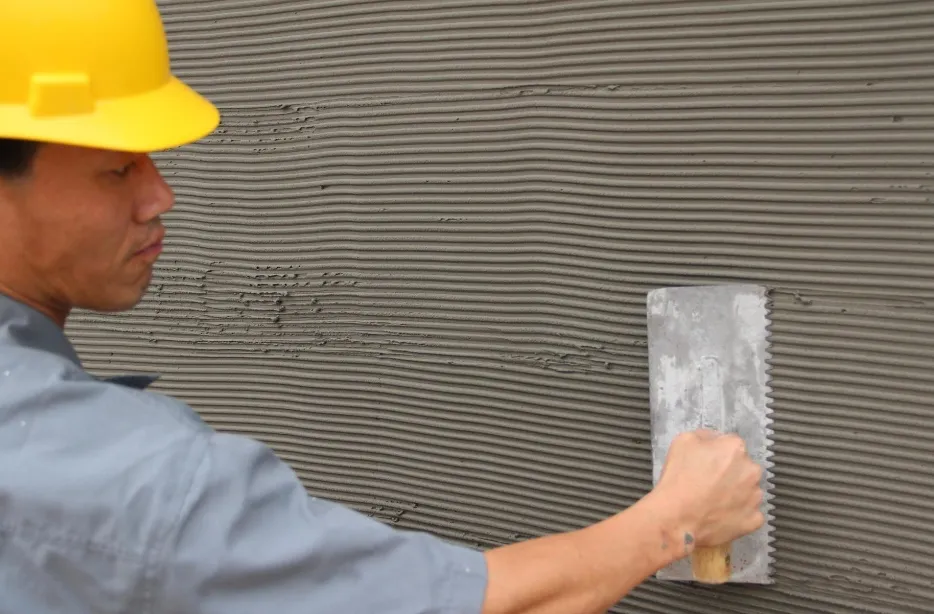
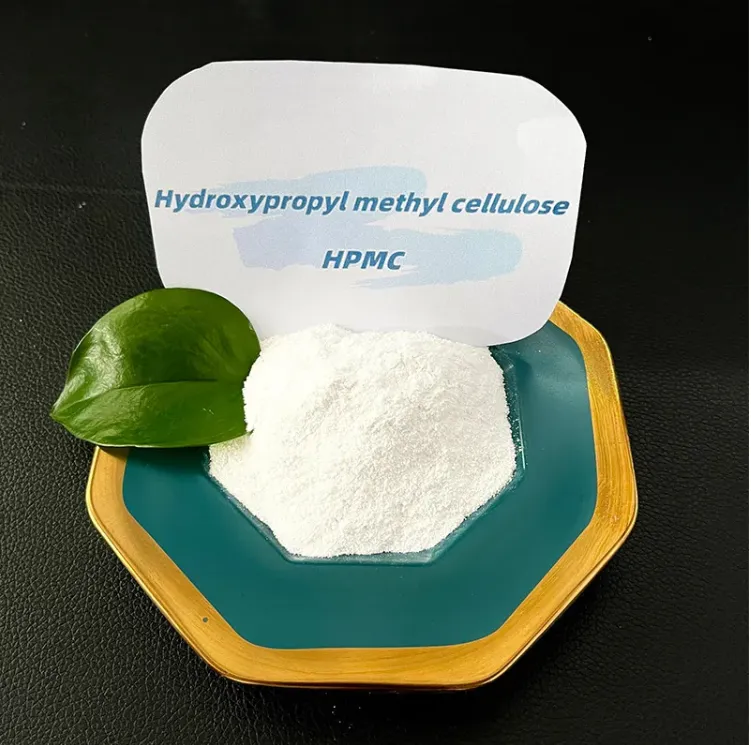
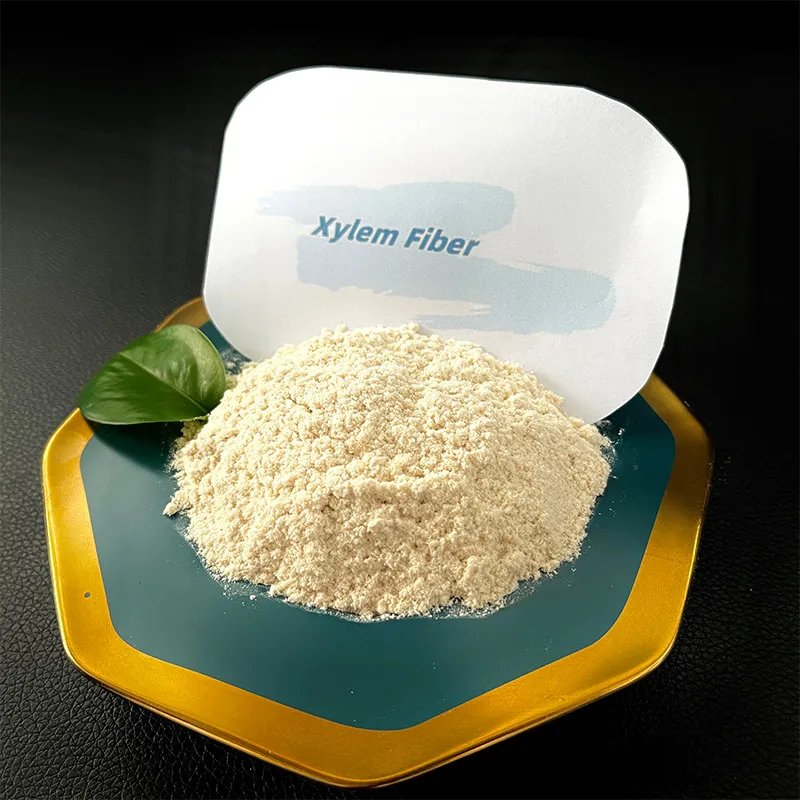


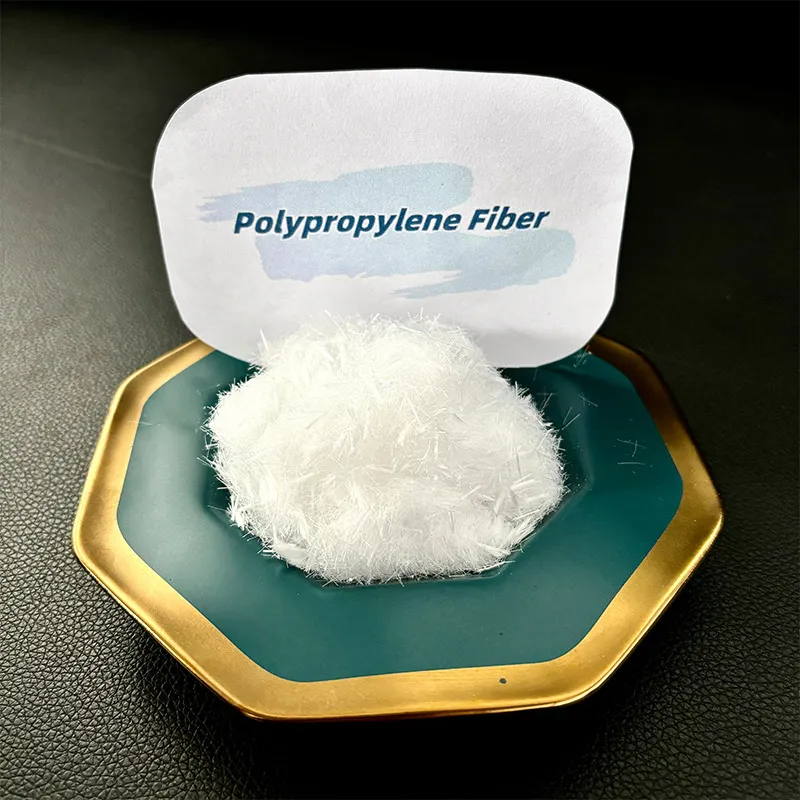
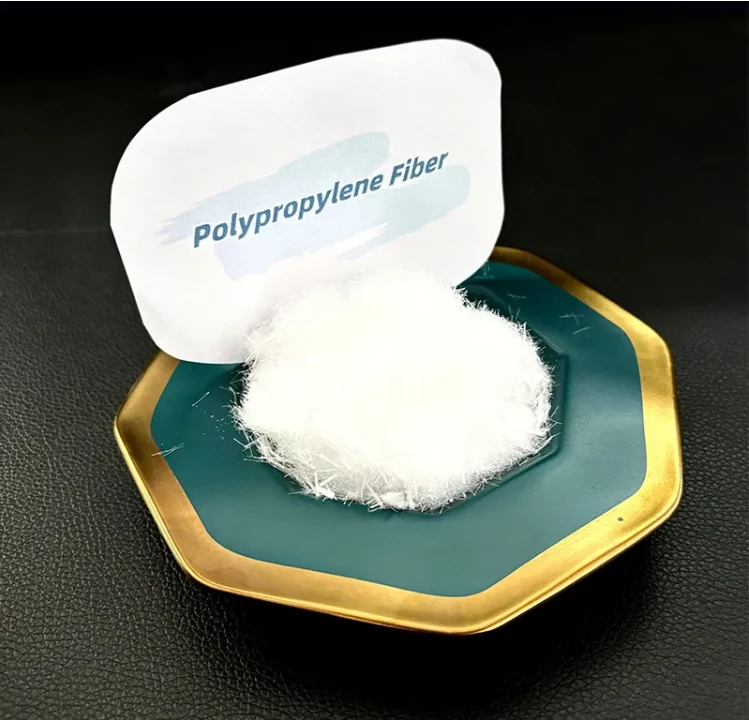
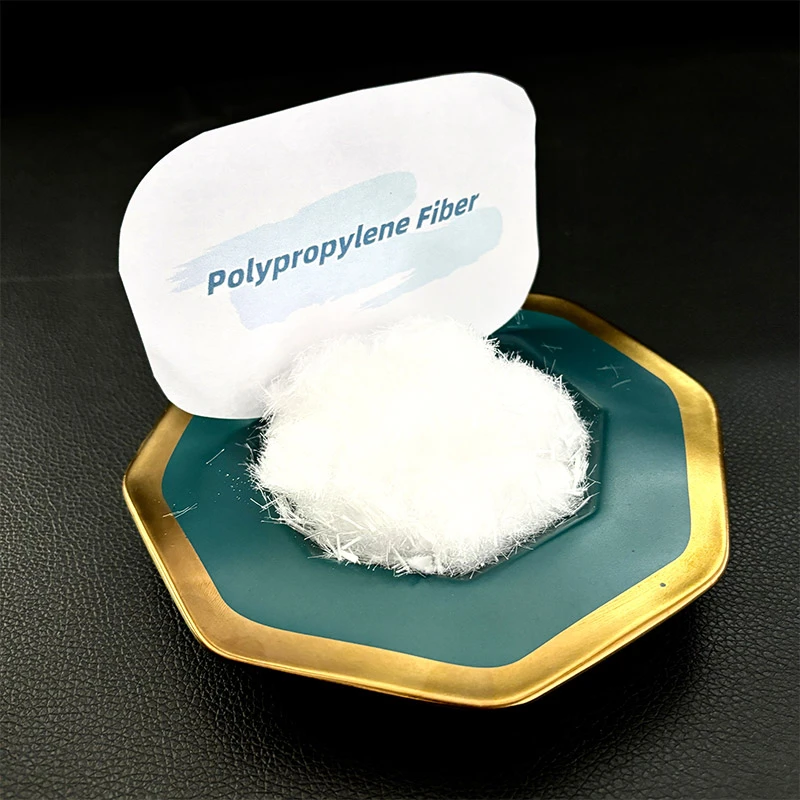
When it comes to enhancing the durability and strength of concrete, polypropylene fiber is an indispensable material. Known for its lightweight, corrosion-resistant properties, polypropylene fiber is widely used in construction to reinforce concrete, making it stronger, more durable, and more flexible. The addition of polypropylene fiber improves the overall performance of concrete by reducing cracking, improving freeze-thaw resistance, and providing better impact resistance. Whether you're working on large-scale infrastructure projects or residential buildings, incorporating polypropylene fiber into your concrete mix ensures high-quality, long-lasting results. Polypropylene Fiber in Concrete: Revolutionizing the Industry Polypropylene fiber in concrete is becoming a standard practice for improving the structural integrity of concrete mixes. When added to concrete, polypropylene fiber in concrete helps reduce the risk of microcracking, which can occur due to shrinkage or thermal stresses. The fibers disperse evenly throughout the mix, creating a more uniform and cohesive material. As a result, polypropylene fiber in concrete enhances the concrete’s durability and toughness, especially in high-stress environments like industrial flooring, highways, and bridges. With the increasing demand for sustainable construction, polypropylene fiber in concrete offers an affordable, eco-friendly solution for improving material performance. Find Quality Polypropylene Fiber for Sale Are you looking for polypropylene fiber for sale ? Look no further! We offer high-quality polypropylene fiber that meets the needs of various industries, especially in construction. Whether you’re looking to reinforce concrete, improve asphalt, or enhance other building materials, we have the right polypropylene fiber for sale for your project. Available in various grades and specifications, our polypropylene fiber products are designed to offer excellent performance, ease of use, and long-lasting results. Browse our selection of polypropylene fiber for sale and find the perfect match for your needs today! Understanding the Factors Behind Polypropylene Fiber Price The polypropylene fiber price can vary based on several factors, including the quality of the fiber, the quantity purchased, and the supplier. Typically, polypropylene fiber price is determined by the raw materials used, the manufacturing process, and the specific properties of the fiber. While polypropylene fiber price may differ between suppliers, investing in high-quality fibers ensures long-term benefits in terms of strength and durability. If you’re looking for the best value for your project, we offer competitive polypropylene fiber price s without compromising on quality. Contact us to discuss your requirements and get the most cost-effective solution for your concrete reinforcement needs. Why Choose Our Polypropylene Fiber for Your Construction Needs? Our polypropylene fiber products are carefully manufactured to meet the highest standards of quality and performance. Whether you need polypropylene fiber for sale in bulk for a large construction project or in smaller quantities for a specialized application, we can cater to your specific needs. With outstanding benefits like increased crack resistance, reduced shrinkage, and enhanced concrete durability, our polypropylene fiber is the perfect choice for improving the structural integrity of concrete. We offer highly competitive polypropylene fiber price s, ensuring that you get the best value for your investment. Trust us to provide top-quality polypropylene fiber for all your construction needs. Polypropylene Fiber FAQs What is polypropylene fiber used for in concrete? Polypropylene fiber in concrete is primarily used to enhance the strength and durability of the material. It helps prevent cracking by controlling shrinkage, improving impact resistance, and increasing freeze-thaw durability. By distributing evenly throughout the concrete mix, polypropylene fiber provides reinforcement that makes the concrete more resistant to stress and wear, resulting in longer-lasting structures. Where can I buy polypropylene fiber for sale? We offer a wide selection of polypropylene fiber for sale that meets the highest standards of quality, ensuring you get the best product for your concrete reinforcement needs. Browse our collection today and take advantage of our competitive prices. How does polypropylene fiber improve concrete? Polypropylene fiber improves concrete by enhancing its structural properties. It helps prevent cracking due to shrinkage, reduces the likelihood of surface wear, and improves the concrete’s resistance to water damage. Additionally, polypropylene fiber increases the material’s ability to withstand thermal and mechanical stresses, making it ideal for a wide range of applications in construction. What factors affect the polypropylene fiber price? The polypropylene fiber price is influenced by factors such as the grade of the fiber, the quantity purchased, and the supplier. High-quality polypropylene fiber designed for heavy-duty applications may have a higher price, while bulk purchases may lower the price per unit. We offer competitive polypropylene fiber price s, ensuring you get the best quality for your budget. Contact us for customized pricing based on your needs. Why should I choose your polypropylene fiber for my project? Our polypropylene fiber is designed for superior performance, offering outstanding crack resistance, durability, and flexibility in concrete. Whether you need polypropylene fiber for sale for a large construction project or a small-scale application, our products meet the highest industry standards. We provide polypropylene fiber at competitive prices, ensuring that you receive great value without compromising on quality. Trust us to deliver the best solution for your concrete reinforcement needs.
- 40000tons

Production
- 20+years

Experience
- 5000+㎡

Acreage

-

In the rapidly evolving world of construction and pharmaceuticals, the rising star of sustainable materials is Hydroxypropyl Methylcellulose (HPMC) cellulose. This remarkable polymer, derived from plant resources, is transforming the efficiency and sustainability of various sectors. As industries strive for eco-friendly alternatives, HPMC cellulose stands out, combining natural origin with technological sophistication. Hydroxypropyl Methylcellulose, often referred to as HPMC, originates from cellulose, the most abundant polymer on Earth. This crucial building block of plant cell walls offers unique properties when modified chemically. Through a sophisticated process, cellulose is treated to create HPMC, a water-soluble substance that maintains stability across a range of temperatures and pH levels. This adaptability makes it indispensable in multiple applications, asserting its authority in the search for innovative industrial solutions. In construction, HPMC cellulose is revolutionizing processes by enhancing the performance of cement-based products. Its inclusion in construction mixes improves workability, water retention, and adhesion—crucial factors in ensuring the longevity and integrity of structures. Builders and contractors have reported reduced cracks and increased strength in finished products, demonstrating its expertise in addressing common structural challenges. This real-world experience underscores HPMC cellulose's superiority over traditional additives, contributing to more sustainable and durable buildings. The pharmaceutical sector, too, benefits from the versatility of HPMC cellulose. Its use in drug formulation is a testament to its credibility and trustworthiness. As an excipient, it facilitates the controlled release of active ingredients, ensuring that medications deliver effects precisely and reliably. Patients and medical professionals have noted the improved efficacy of treatments containing HPMC, reinforcing its standing as a staple in modern medicine. Moreover, its role in enhancing the solubility and bioavailability of drugs further substantiates its importance, providing evidence of its critical function in healthcare advancements. celulosa hpmc Personal care and cosmetic industries are not left behind in this cellulose renaissance. HPMC is used as a thickening and stabilizing agent in creams, lotions , and shampoos. Its non-toxic and hypoallergenic properties make it ideal for products designed for sensitive skin. Consumers have shared positive feedback regarding the texture and effectiveness of personal care items containing HPMC, corroborating its reputation for safety and performance. As an authority in product formulation, HPMC cellulose aligns perfectly with the growing demand for natural and environmentally friendly beauty solutions. While the practical applications of HPMC cellulose are diverse, ongoing research continues to unlock new potentials and refine its use across industries. Experts are exploring further modifications and combinations with other sustainable materials to enhance its properties and extend its applicability. The relentless pursuit of innovation ensures that HPMC cellulose remains at the forefront of eco-friendly technological advancement, reinforcing its position as a critical material for the future. As the world increasingly turns towards sustainability, HPMC cellulose offers a trustworthy path forward. Its widespread application and proven benefits in construction, pharmaceuticals, and personal care underline its essential role in developing products that are not only effective but also environmentally conscious. For professionals and consumers alike, embracing HPMC cellulose means investing in a sustainable future supported by real-world evidence and expert endorsement. In conclusion, Hydroxypropyl Methylcellulose (HPMC) cellulose exemplifies the perfect fusion of natural origin and scientific ingenuity. Its consistent performance across varied applications speaks volumes about its versatility and reliability. For industries aiming to enhance product performance while reducing environmental impact, HPMC stands as a beacon of sustainable progress, embodying the qualities of experience, expertise, authoritativeness, and trustworthiness that are crucial in today's market.
-
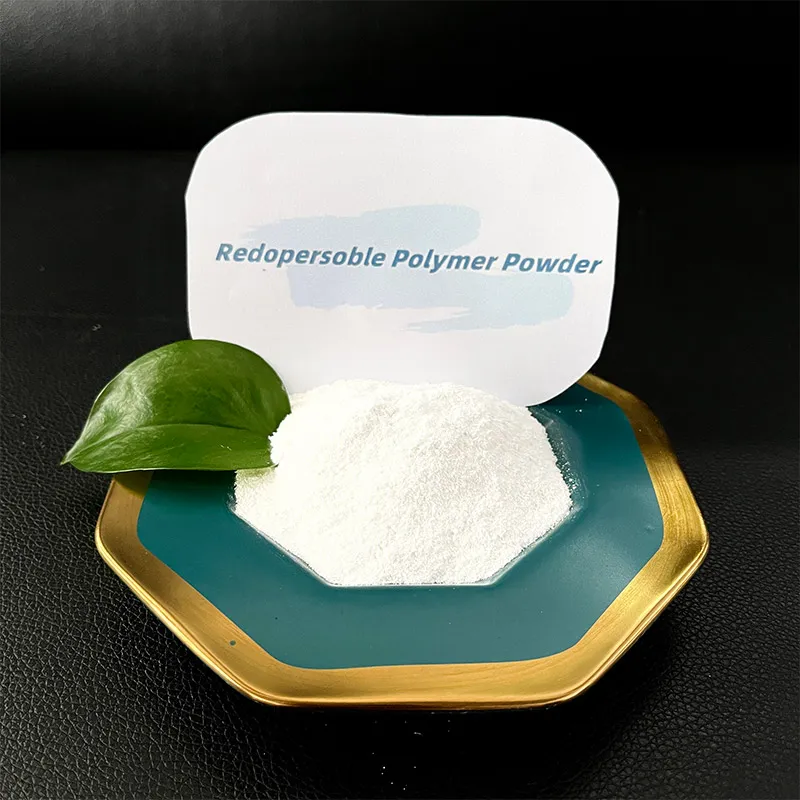
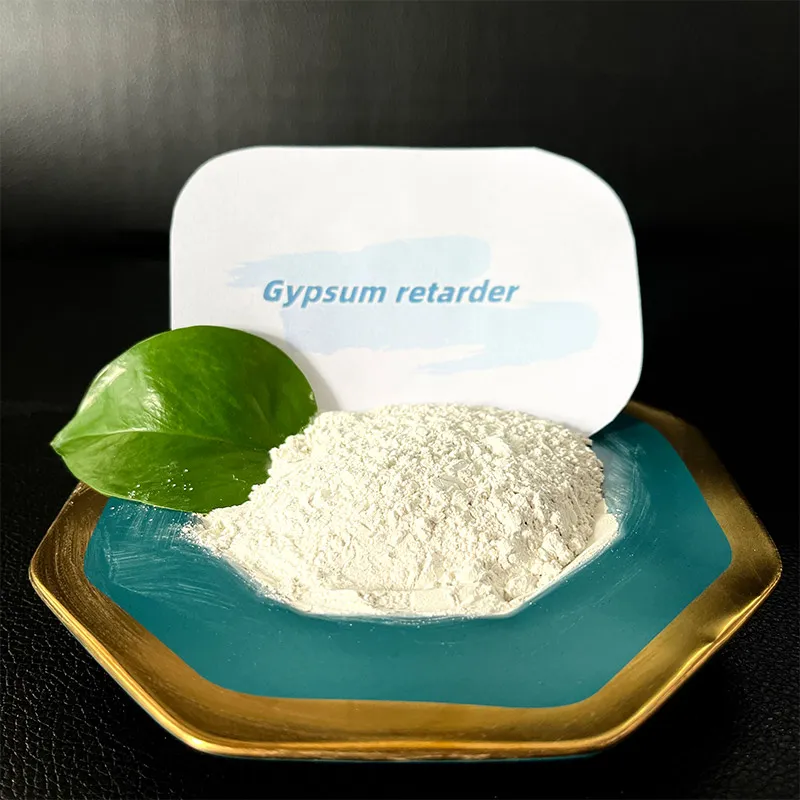
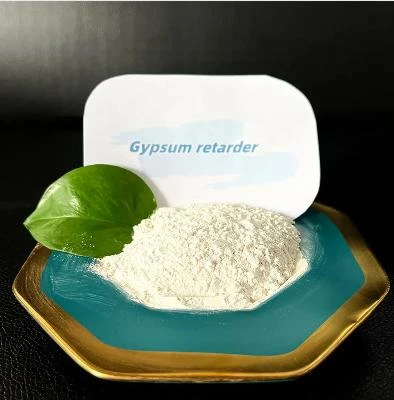
In the competitive wholesale construction additives market, suppliers prioritize solutions that enhance workability without compromising structural integrity. Cream of tartar plaster retarder is celebrated for extending setting times while preserving end strength—a critical advantage for large-scale projects. This article explores how strategic retarder selection optimizes gypsum formulations, spotlighting key additives for bulk procurement. We’ll examine synergies between cream of tartar plaster retarder , extra time plaster additive , retarder in gypsum , easy mix plaster retarder , and trisodium citrate plaster retarder in industrial applications. Understanding How Cream of Tartar Plaster Retarder Preserves Structural Integrity Cream of tartar plaster retarder (potassium bitartrate) uniquely modifies gypsum crystallization, delaying set time while minimizing microstructural defects. Its organic composition promotes denser crystal matrices, directly enhancing long-term durability. For wholesalers, this translates to reliable performance in demanding environments like high-humidity warehouses or intricate architectural molds. When integrated with retarder in gypsum systems, it ensures homogenous dispersion across bulk batches—reducing onsite inconsistencies. Projects specifying cream of tartar plaster retarder report fewer structural callbacks, validating its role in resilient infrastructure. Compared to synthetic alternatives, its natural origin appeals to eco-conscious contractors seeking sustainable solutions. Extra Time Plaster Additive: Synergizing Workability and Endurance in Bulk Formulations The extra time plaster additive revolutionizes large-scale pours by extending application windows without strength trade-offs. It counteracts premature drying in expansive slabs or curved surfaces, ensuring uniform hydration depth. Wholesale blends combining this additive with retarder in gypsum demonstrate superior tensile strength and reduced micro-cracking. Distributors note significant waste reduction when supplying extra time plaster additive -enhanced mixes for mega-projects like airport terminals, where material consistency is non-negotiable. Temperature-resilient variants further broaden its global wholesale appeal, especially in tropical climates where rapid setting compromises integrity. Optimizing Retarder in Gypsum Systems for Maximum Strength Output Selecting the ideal retarder in gypsum dictates both workability and cured resilience. Over-reliance on traditional options risks porosity, whereas precision-engineered trisodium citrate plaster retarder offers linear strength retention. Its chelation mechanism enables controllable delay while maintaining density—critical for high-load panels and fire-rated assemblies. Bulk trials reveal trisodium citrate plaster retarder outperforms conventional retarders in flexural strength, especially when blended with cream of tartar plaster retarder for synergistic effects. Wholesalers catering to green construction projects prioritize citrate-based solutions, as they meet stringent environmental certifications without performance sacrifices. Easy Mix Plaster Retarder: Streamlining Consistency for High-Volume Orders Easy mix plaster retarder redefines bulk handling with instant-dissolve granules that prevent clumping in industrial silos. Its flow-enhanced properties guarantee uniform distribution across multi-ton batches—essential for prefabricated gypsum board plants. Distributors report streamlined logistics when substituting powdered additives with easy mix plaster retarder , citing reduced mixing time and rejection rates. Compatibility with extra time plaster additive creates turnkey solutions for precast factories, where delayed set times must remain consistent from the first to final pallet. This reliability cements long-term partnerships with high-volume contractors. FAQs : Cream of Tartar Plaster Retarder How does cream of tartar plaster retarder influence curing in thick-section applications? It regulates moisture release during hydration, preventing surface crusting and ensuring core strength development—essential for structural columns or deep pours. Can extra time plaster additive mitigate thermal cracking in mass pours? Absolutely. Its moisture-retention technology counters rapid evaporation in high-heat environments, maintaining plasticity throughout extended placement windows. Why opt for trisodium citrate plaster retarder in structural hybrid systems? Its pH-neutral chemistry prevents deleterious reactions with steel reinforcement or adjacent concrete, ensuring lifelong structural cohesion. Is easy mix plaster retarder viable for automated dry-batch facilities? Yes. Its granular morphology integrates flawlessly with pneumatic conveyors and robotic dispensers, optimizing production-line efficiency. How do humidity conditions affect retarder in gypsum stability during storage? Premium variants like cream of tartar plaster retarder maintain efficacy in climate-controlled warehouses, though sealed packaging is recommended for tropical regions.
advantages
-

200000 Viscosities
Excellent product
We can produce pure products up to 200,000 viscosities
-

40000 tons
High yield
We don’t stop production all year round, and the annual output can reach 40,000 tons
-

24 hours
Quality service
We provide 24-hours online reception service, welcome to consult at any time
———— Inquiry Form
Schedule A services

-
 hpmc_cas_number
Oct . 25, 2025
Hydroxypropyl methylcellulose, commonly abbreviated as HPMC, is a pivotal compound in various indust -
 hydroxypropyl_methylcellulose_powder
Oct . 25, 2025
Hydroxypropyl methylcellulose (HPMC) and carboxymethyl cellulose (CMC) are two of the most widely us -
 chimie_du_bois_et_cellulosique
Oct . 25, 2025
The Cost of Polypropylene Fiber An Overview Polypropylene fiber, derived from the polymerization of


